
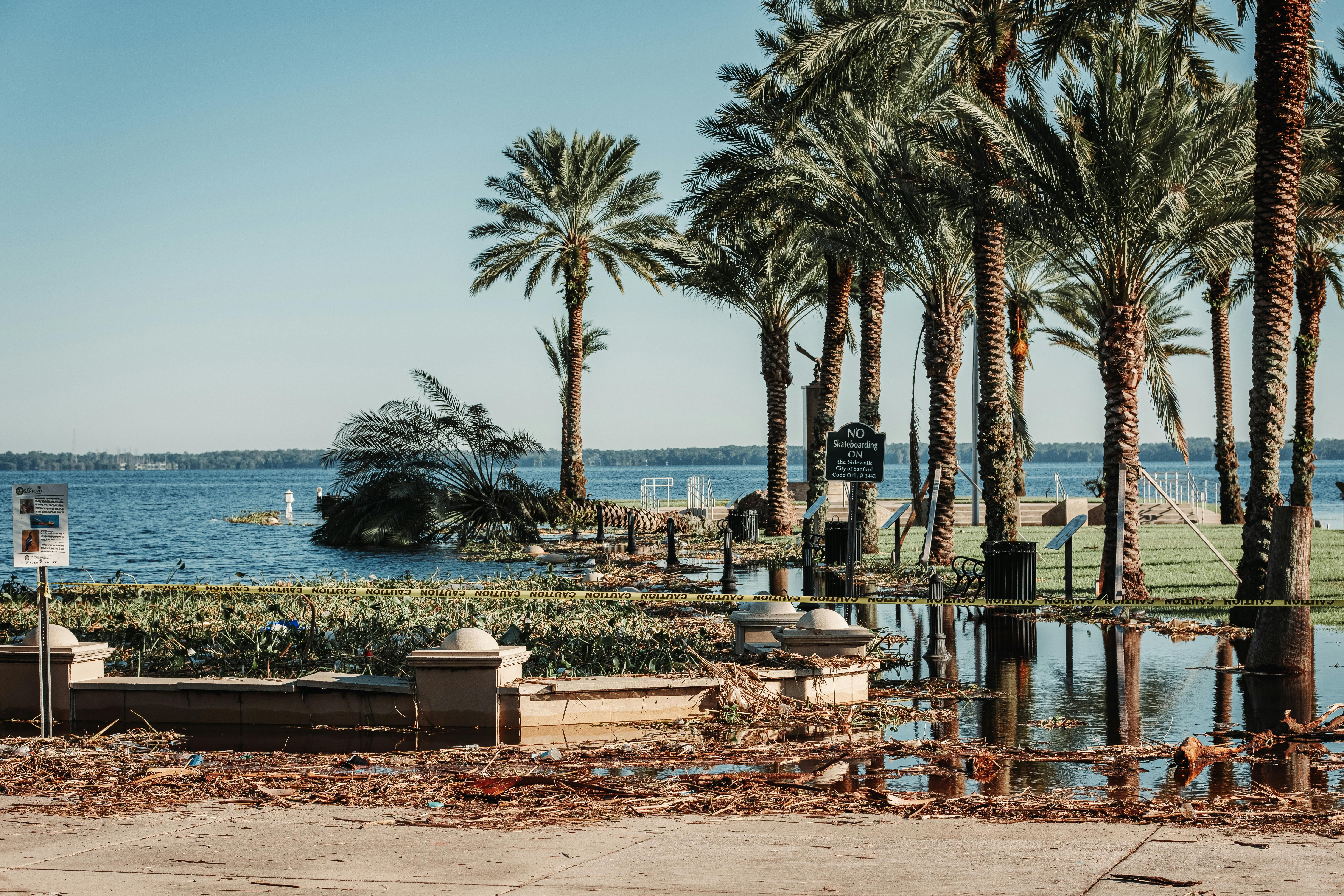
FEMA Cuts May Impact Hurricane Assistance
FEMA funding cuts are reducing disaster preparedness resources in high-risk areas like Florida, SE Georgia, and Louisiana. Plan for less aid and less continuity of utilities during and immediately after storms.
Recently, reductions to FEMA’s Building Resilient Infrastructure and Communities (BRIC) funding have impacted disaster-prone states across the Southeast. Programs that were previously slated for infrastructure improvements and hazard mitigation are now paused or canceled.
Communities in Florida, Georgia, and Louisiana – frequent targets of hurricanes and flooding – were among those planning to use these funds to reduce vulnerability before the next major event.
These cuts also come at a time when FEMA’s Disaster Relief Fund is nearing depletion. According to FEMA, this could limit immediate response capacity during peak storm season.
What to Watch:
- If you’re in a high-risk zone, pay attention to your local emergency management office for updates.
- Consider supporting local resilience efforts through civic engagement or local funding initiatives.
- Plan to have less support during a disaster than in previous years.
On a personal note, within the last six months, we learned exactly what FEMA provides to our local municipality during storms.
When hurricane Helene came through, we had lost power for 3 days, but since the storm was considered an emergency, FEMA provided generators to the pump stations that kept our water flowing.
On the other hand, in January we had an ice storm that FEMA did not cover. During that storm we had no power for three days again but this time we also had no running water either. Combine that with below freezing temperatures and it made for a much different scenario.
Bottom line – plan to have less support than in previous storm seasons. Watch the weather, make smart choices, and help each other out.